Religion and Peacebuilding: Opportunities and Challenges in Plural Societies
Introduction
Religion remains one of the most influential forces shaping social, political, and cultural life in many societies. In plural contexts, particularly across Africa and parts of the Global South, religion can serve as both a source of cohesion and a trigger for division. Its role in peacebuilding is therefore complex and multifaceted.
This article examines the opportunities and challenges associated with religion in peacebuilding processes, highlighting how faith-based actors and institutions can contribute meaningfully to conflict prevention, reconciliation, and sustainable peace when appropriately engaged.
Religion as a Social and Moral Force
Religion functions not only as a belief system but also as a powerful social institution. Religious teachings often emphasize values such as justice, compassion, forgiveness, and respect for human dignity—principles that align closely with peacebuilding objectives.
Faith communities frequently enjoy deep trust and legitimacy among their adherents, enabling them to influence attitudes and behaviours in ways that formal political institutions may not. This moral authority positions religious leaders as important actors in mediation, reconciliation, and community dialogue.
Religion and Conflict in Plural Societies
Despite its peace-promoting potential, religion has also been associated with conflict, particularly in plural societies where religious identities intersect with political, ethnic, or economic grievances. In such contexts, religious differences can be instrumentalised by political elites, transforming social tensions into violent confrontations.
Conflicts framed in religious terms often become more entrenched, as they are perceived as moral or existential struggles rather than negotiable disputes. This underscores the importance of distinguishing between genuine religious convictions and the political misuse of religion.
Faith-Based Actors in Peacebuilding
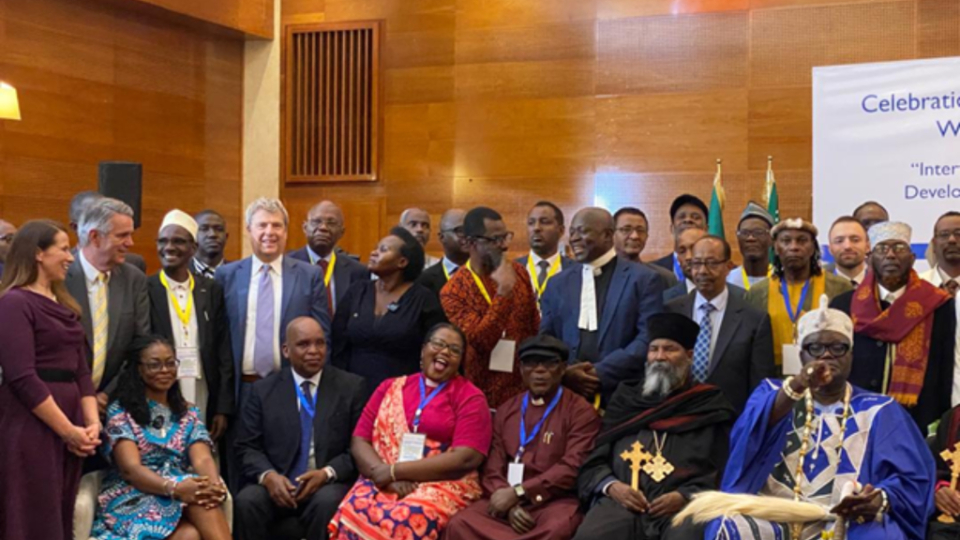
Faith-based organisations and religious leaders have played significant roles in peace processes at local, national, and international levels. Their contributions include:
- Mediation and dialogue facilitation
- Community reconciliation initiatives
- Trauma healing and psychosocial support
- Advocacy for justice, forgiveness, and social cohesion
In many cases, religious actors have succeeded where state institutions have struggled, particularly in post-conflict environments characterised by mistrust and weak governance.
Interfaith Dialogue and Cooperation
Interfaith dialogue is a critical mechanism for promoting peace in plural societies. By fostering mutual understanding and cooperation among different religious communities, interfaith initiatives can reduce stereotypes, prevent escalation of tensions, and promote shared values.
Successful interfaith engagement requires inclusivity, respect for diversity, and sustained commitment. When properly structured, interfaith platforms can serve as early warning mechanisms and channels for peaceful conflict resolution.
Challenges and Ethical Considerations
The involvement of religious actors in peacebuilding also presents challenges. These include issues of representation, legitimacy, gender inclusion, and accountability. Not all religious leaders promote peace, and some may reinforce exclusionary or intolerant narratives.
It is therefore essential that peacebuilding initiatives involving religion adhere to principles of human rights, inclusivity, and ethical responsibility. Collaboration between religious actors, civil society, and state institutions can help mitigate these risks.
Implications for Governance and Policy
Policymakers and practitioners should recognise religion as a significant dimension of peace and governance rather than relegating it to the private sphere. Integrating religious perspectives into peacebuilding frameworks—while maintaining respect for pluralism and secular governance—can enhance the effectiveness of conflict prevention strategies.
Academic institutions and research centres have a vital role to play in generating evidence-based insights on religion and peace, training practitioners, and informing policy discourse.
Conclusion
Religion holds considerable potential as a force for peace in plural societies, but this potential is neither automatic nor guaranteed. When engaged constructively, religious actors and institutions can contribute to reconciliation, social cohesion, and sustainable peace. When misused, religion can deepen divisions and prolong conflict.
A balanced, ethical, and context-sensitive approach to religion in peacebuilding is therefore essential. Strengthening interfaith dialogue, promoting ethical leadership, and aligning religious engagement with good governance principles remain critical pathways toward peaceful and inclusive societies.