

Peacebuilding and Governance in Contemporary Africa: Lessons for Sustainable Development
Introduction
Across Africa, the challenges of violent conflict, weak governance structures, and socio-economic instability continue to pose significant threats to sustainable development. While considerable attention has been paid to security responses, long-term peace remains elusive in many contexts. This reality underscores the need to examine the relationship between peacebuilding and governance as interconnected processes rather than isolated interventions.
This article explores how effective governance frameworks can enhance peacebuilding efforts in Africa and highlights key lessons for policymakers, scholars, and development practitioners.
Understanding Peacebuilding Beyond Conflict Resolution
Peacebuilding extends beyond the immediate cessation of violence. It involves addressing the structural, political, and socio-economic factors that generate conflict. These include inequality, exclusion, weak institutions, corruption, and lack of accountability.
In many African societies, peacebuilding initiatives have focused heavily on post-conflict stabilization without sufficiently reforming governance systems. As a result, fragile peace agreements often collapse when underlying grievances remain unaddressed.
Sustainable peace requires governance mechanisms that promote justice, participation, transparency, and responsiveness to citizens’ needs.
Governance as a Foundation for Sustainable Peace
Governance refers to the processes and institutions through which authority is exercised and public affairs are managed. Effective governance is characterized by the rule of law, accountability, inclusive decision-making, and respect for human rights.
Where governance systems are weak, peacebuilding efforts face significant limitations. Poor service delivery, political exclusion, and weak institutions can fuel resentment and create conditions for renewed conflict. Conversely, strong governance structures can mitigate conflict by providing peaceful channels for grievance redress and political participation.
Empirical evidence across African states demonstrates that countries with stronger governance indicators tend to experience more durable peace outcomes.
The Role of Institutions and Leadership
Institutions play a critical role in shaping peacebuilding outcomes. Electoral bodies, judicial systems, security agencies, and local governance structures must function effectively and impartially to maintain public trust.
Leadership is equally important. Ethical and accountable leadership fosters legitimacy and social cohesion, while poor leadership can undermine peace processes. In many African contexts, leadership failures—manifested through corruption, authoritarianism, or exclusionary politics—have directly contributed to cycles of instability.
Building leadership capacity and strengthening institutions should therefore be central to peacebuilding strategies.
Community Participation and Local Governance
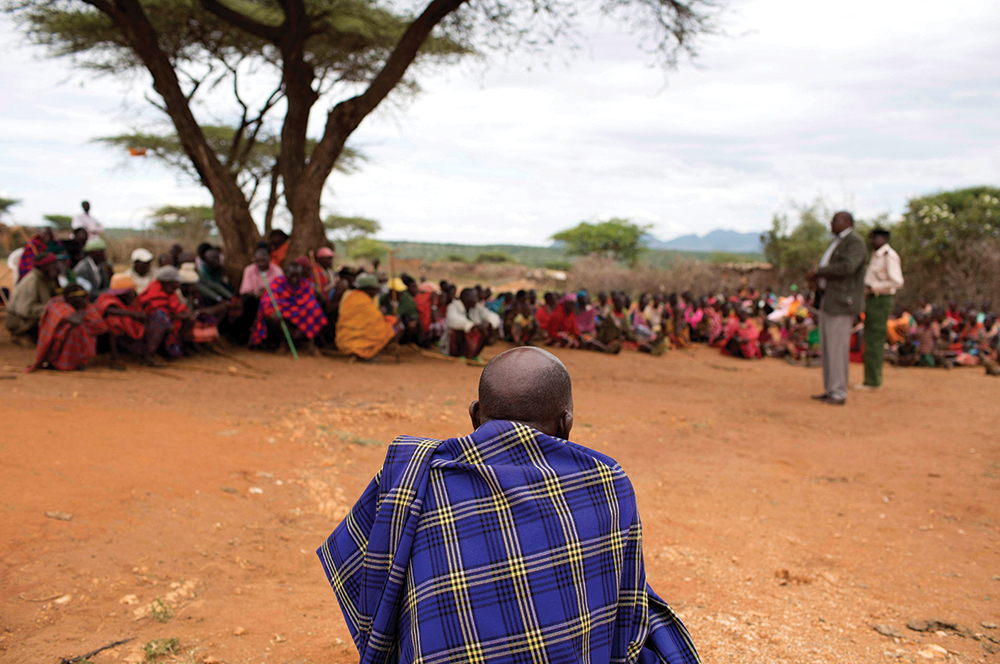
Peacebuilding efforts are most effective when they are inclusive and locally grounded. Community participation enhances legitimacy and ensures that peace initiatives reflect local realities. Traditional institutions, civil society organizations, and faith-based groups often play vital roles in mediating conflicts and promoting social cohesion.
Local governance structures can serve as critical platforms for citizen engagement, conflict prevention, and early warning mechanisms. Strengthening local governance enhances resilience and reduces dependence on centralized responses that may be disconnected from grassroots realities.
Implications for Policy and Practice
For peacebuilding initiatives to be sustainable, policymakers must adopt integrated approaches that align governance reforms with conflict prevention strategies. This requires:
- Strengthening democratic institutions and the rule of law
- Promoting inclusive political participation
- Addressing socio-economic inequalities
- Investing in leadership development and ethical governance
- Supporting community-based peace initiatives
Academic institutions and research centers also have a vital role to play by generating evidence-based insights and training professionals equipped to address peace and governance challenges.
Conclusion
Peacebuilding and governance are deeply interconnected processes that must be pursued simultaneously to achieve sustainable development in Africa. Without effective governance, peacebuilding efforts risk being temporary and fragile. Conversely, governance reforms are unlikely to succeed in contexts of persistent violence and instability.
A holistic approach that integrates peacebuilding with governance reform offers the most promising pathway toward lasting peace, stability, and development across the continent.